Introduction to Pet Travel Documents
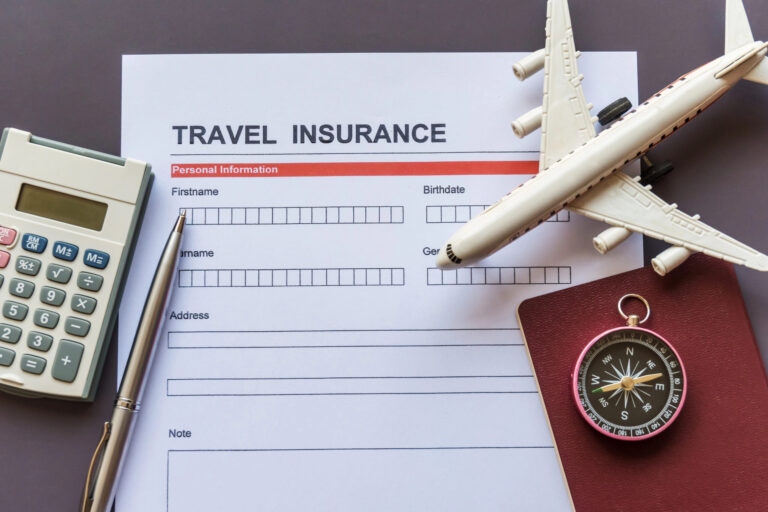
When travelers prepare to fly with a dog or cat, the pet travel documents needed to fly with a pet become just as important as their own boarding passes. Airlines, veterinarians, and border authorities all depend on accurate paperwork to confirm your pet’s identity, verify vaccination status, and ensure the animal meets every entry requirement for domestic and international destinations. Because of this, even a minor paperwork error – an expired date, a missing signature, or inconsistent microchip number – can cause denied boarding or delays at customs. Travelers who organize their documents early give their pets a far smoother and safer journey. This guide explains each requirement, how to prepare it, and what travelers should expect at every step.
Essential Pet Travel Documents Needed to Fly with a Pet
Health Certificate – The Core Document Needed to Fly with a Pet
The health certificate acts as the central requirement for pet air travel. A USDA-accredited veterinarian examines your pet, confirms the animal is healthy, and completes the certificate during the appointment. Travel destinations typically accept this pet travel document for 10–30 days, so travelers must time the visit correctly. When travelers prepare early, they avoid last-minute stress and ensure the certificate remains valid at check-in. For more detailed information, check out the USDA APHIS Pet Travel Portal.
Rabies Vaccination Certificate – Pet Travel Documentation Which Required Almost Everywhere
Airlines and governments worldwide rely on the rabies certificate to confirm your pet meets disease-control standards. Veterinarians issue this document after vaccination, and the certificate must match the microchip number and every other supporting record. Domestic flights usually require only rabies documentation; however, international trips introduce strict waiting periods, specific vaccine types, and additional requirements. Be sure to check out the CDC regulations on importing animals into the United States.
Microchip Records – Identity Documents Needed to Fly with a Pet
A functioning microchip links your pet to every piece of documentation. International authorities scan the chip on arrival and compare the number to your paperwork. Because of this, travelers must verify that every document lists the same number. Many destinations require ISO-compliant chips (11784/11785) to ensure compatibility with international scanners.
Airline-Specific Pet Travel Documents Needed to Fly with a Pet
Carrier and Kennel Compliance Forms
Airlines enforce strict rules for pet carriers, kennel dimensions, ventilation, and materials. These carrier guidelines appear on airline websites and often require travelers to complete forms at home. When travelers review these rules in advance, they avoid check-in delays and ensure the carrier meets safety standards.
Here are some airline specific links for further information on their pet policies.
Keep Your Pet Travel Documents in One Place with A Pet Passport
With all these pet travel documents required for international travel, organization is going to be key for going through customs. That being said, Pet Passports are absolutely vital. Please click on the Pet Passports link to see Airport News Now Article on pet passports where we take a deep dive into how pet passports are an absolute necessity for international travel.
Breed Restrictions and Weather Rules
Many airlines enforce breed restrictions because short-nosed pets struggle with breathing in stressful or warm environments. Travelers often overlook these rules, yet they change quickly based on seasonal safety assessments. When temperatures rise or fall beyond approved limits, airlines suspend pet travel to prevent medical emergencies. Because of this, travelers should monitor weather forecasts and airline advisories starting several days before departure. Reviewing restrictions early also prevents last-minute surprises at the airport and reduces the risk of denied check-in. By staying ahead of policy changes, travelers protect their pets and maintain a predictable travel schedule.
Import and Export Permits
Many countries require import or export permits to control animal movement and maintain public health compliance as part of the pet travel documents. These permits verify legal entry, confirm vaccination timelines, and reduce the risk of quarantine. Travelers who submit these applications early avoid processing delays that disrupt travel plans. Since permit rules differ significantly between destinations, travelers must use official government websites rather than relying on airline summaries. Reviewing each requirement early helps travelers understand which documents demand the most lead time. By staying organized, travelers ensure smooth customs clearance and protect their pets from extended confinement.
Pet Travel Documents – Destination Health Requirements
Different countries enforce unique health requirements, so travelers must research each destination before scheduling flights. Some regions demand vaccines beyond standard rabies protection, including leptospirosis, distemper, or country-specific parasite treatments. Because these rules shift periodically, travelers should verify requirements directly on government portals. Travelers who check early avoid unexpected veterinary appointments right before departure. Understanding these obligations also prevents customs delays and reduces the risk of denied entry. With thorough preparation, travelers meet all requirements and keep their pets safe throughout international travel.
Rabies Titer Tests
A rabies titer test measures whether a pet’s vaccine produced strong immunity and meets international entry standards. Many countries require this test months before travel, so timing becomes crucial. When travelers book trips without considering titer deadlines, they often face cancellations and expensive rescheduling. Coordinating early with a veterinarian helps travelers secure appointments and meet all timelines. Reviewing destination guidelines also clarifies whether a titer test must reach a specific value. By planning carefully, travelers move through customs with their pet travel documents confidently and avoid compliance issues.
Multi-Dose Vaccination Schedules
Some destinations require pets to follow multi-dose vaccine schedules with strict timing between each shot. Travelers who miss even one scheduled dose may need to restart the entire series, which delays departure. Working closely with a veterinarian helps travelers stay on track and avoid expiration problems. Creating a written timeline also keeps every requirement organized and visible. When travelers follow these schedules precisely, they build a complete record that satisfies international regulations. As a result, pets travel safely without the risk of documentation conflicts.
Waiting Periods Before Travel
Many countries impose waiting periods between major steps such as microchipping, vaccination, titer testing, and departure approval. These waiting periods help protect public health by confirming full immunity. Travelers who ignore these timelines frequently encounter denied entry or mandatory quarantine. Reviewing official rules early prevents these issues and gives travelers time to correct errors. Veterinarians can also explain how each waiting period fits into the broader preparation plan. When travelers follow these steps carefully, they maintain compliance and avoid stress at customs.
Waiting Period Timelines for Pet Travel Documentation
| Travel Step | Typical Waiting Period | Why It Matters | What Happens If You Miss It |
| Microchipping | Must occur before vaccination | Establishes a permanent ID tied to all documents | Vaccination becomes invalid and must be repeated |
| Rabies Vaccination | Usually 21–30 days before travel | Allows immunity to build and meet entry standards | Pet considered “not fully vaccinated,” leading to denied entry |
| Rabies Titer Test | Often 30–180 days after vaccination | Confirms immunity level meets international rules | Traveler must restart the waiting period or reschedule trip |
| Parasite Treatments | 24–120 hours before arrival | Prevents spread of region-specific parasites | Customs may require treatment on arrival or impose fees |
| Health Certificate Window | Valid 10–30 days depending on destination | Ensures pets remain healthy and travel-ready | Certificate expires, forcing new exams and paperwork |
| Export/Import Permit Processing | Varies: 1 week to several months | Allows authorities to approve legal entry | Denied boarding or mandatory return if permit is absent |
Why Microchipping Comes Before Vaccination
International regulations require microchipping before a rabies vaccination so every document links to one permanent ID number. When travelers reverse this order, authorities consider the vaccination invalid and require a repeat dose. Because of this, travelers should check requirements long before scheduling appointments. Veterinarians can guide travelers through the correct sequence to ensure compliance. Reviewing the rules early prevents unnecessary expenses and delays. By following the correct order, travelers present a clean and consistent document set at customs.
Matching Every Record to the Chip
Customs officers scan a pet’s microchip on arrival and compare the number to every document in the folder. Any mismatch creates delays, additional questioning, or the need for manual verification. Travelers should review all records—including health certificates, vaccine forms, import permits, and airline documents—to confirm identical numbers. Checking these details several times before travel reduces the chance of mistakes. When every record matches, and your pet travel documents are in order, then customs processing moves quickly and efficiently. This accuracy helps travelers maintain a smooth travel experience.
Build a Dedicated Pet Travel Document Folder
Travelers gain significant peace of mind when they gather all records into one well-organized folder. This folder should include certificates, permits, microchip information, airline forms, emergency contacts, and medication instructions. Organized paperwork allows airline staff to verify documents quickly and reduces traveler stress. Keeping everything together also helps during unexpected rerouting or delays. Travelers who prepare this folder avoid frantic searching at checkpoints and stay in control of the process. A dedicated folder creates a predictable experience for both the traveler and their pet.
Keep Printed and Digital Copies
Printed documents matter because many destinations require original signatures, official stamps, or embossed seals. Travelers should carry a complete printed set in a waterproof folder to avoid damage. Digital copies stored in cloud services offer backup access if physical documents become lost or misplaced. These backups also help travelers respond quickly when airline or customs officers request verification. Organizing digital and printed versions keeps every requirement accessible throughout the trip. Cloud Backup Options include Google Drive and Dropbox.
Cargo Pet Policies Change Frequently
Airline cargo rules shift often due to temperature risks, aircraft type limitations, and updated safety reviews. Travelers must verify these policies frequently because changes occur without much notice. Some airlines suspend cargo pet travel during extreme weather or restructuring periods. This unpredictability means travelers should check policies immediately before booking and again before departure. Staying informed prevents sudden cancellations or denied check-in. By monitoring updates, travelers protect both their travel plans and their pet’s well-being.
Temperature and Seasonal Restrictions
Extreme temperatures influence whether airlines approve pets for cargo travel because safety depends on controlled conditions. Heat waves or cold spells often trigger temporary suspensions that override existing reservations. Travelers who monitor weather forecasts can adjust travel dates early to avoid problems. Checking temperature cutoffs also helps travelers understand how airlines evaluate daily conditions. When travelers confirm restrictions several times before departure, they reduce the risk of last-minute cancellations. Staying flexible keeps trip planning safe and predictable.
Build a Pet Emergency Kit as Part of Your Pet Travel Documents
A pet emergency kit ensures travelers stay prepared for delays, reroutes, or unexpected medical issues. This kit should include veterinarian contacts, medication instructions, and backup caregiver information. Adding the name of a 24-hour animal hospital at the destination gives travelers immediate support during emergencies. Keeping medications in original containers helps agents verify them quickly. Written instructions assist airline staff if travelers need help administering care. A well-planned kit provides security throughout the entire trip.
Confirm Regulations for Calming Aids and CBD
Countries classify calming aids and CBD differently, so travelers must research each destination’s rules before packing these products. Some regions treat CBD as a controlled substance, which leads to confiscation or fines. Checking these regulations early prevents complications at customs and protects the traveler’s timeline. Veterinarians can also recommend legal, pet-safe alternatives when CBD is prohibited. Travelers who confirm rules before travel avoid confrontations with border authorities.
Final Thoughts on Pet Travel Documents
Travelers who prepare all documents needed to fly with a pet—including health certificates, vaccination records, microchip verification, import permits, and airline forms—avoid most travel disruptions. Planning early gives travelers time to correct errors and meet strict timelines. Reviewing rules twice ensures the pet remains fully compliant with domestic or international entry standards. Organized paperwork improves airline processing and reduces stress during the journey. Travelers who stay informed protect both their pets and their travel plans. With thorough preparation, pets enjoy a safe and predictable trip from departure to arrival.