Understanding Accessible Airport Accessibility and ADA Compliance
When it comes to accessible airport accessibility, preparation makes all the difference. While the Americans with Disabilities Act (ADA) sets clear standards for equal access, travelers with disabilities often face inconsistent service quality. For example, whether you’re using airport shuttles, hotel vans, or ride-share apps, accessibility still varies widely. This guide helps you navigate the system confidently and ensures you know your rights under ADA transportation rules.
The ADA: What the Law Requires vs. What Travelers Actually Experience
The ADA mandates that all public transportation providers offer equal access to passengers with disabilities. That includes airport-operated shuttles, hotel courtesy vans, taxis, ride-shares, and public buses. However, real-world compliance often tells a different story. Some companies meet only minimal requirements—maintaining a single accessible vehicle or outsourcing transportation to third-party providers who require advanced scheduling.
This shortfall often leaves travelers stranded or delayed. As a result, drivers may not know how to operate lifts, vehicles might lack proper maintenance, or accessible vans simply aren’t available. Understanding these gaps prepares you to advocate for yourself when using accessible airport transportation.
For an overview of your rights, visit the ADA.gov Transportation Page.
Airport Parking Lot Shuttles: ADA Requirements and Traveler Tips
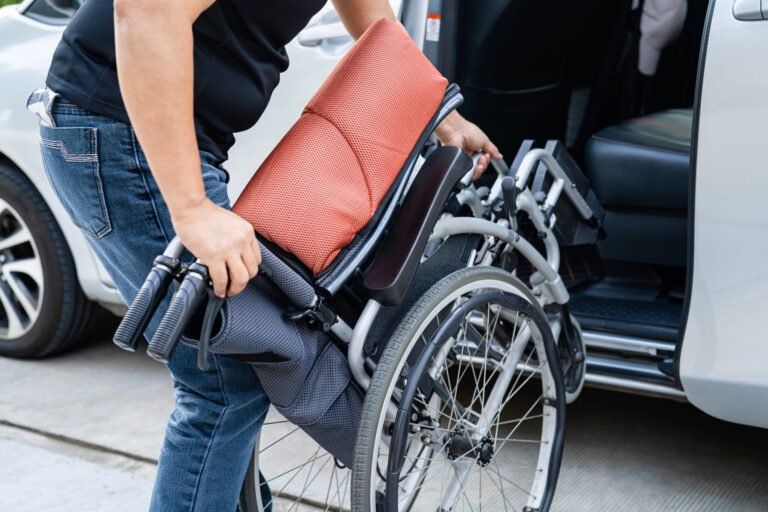
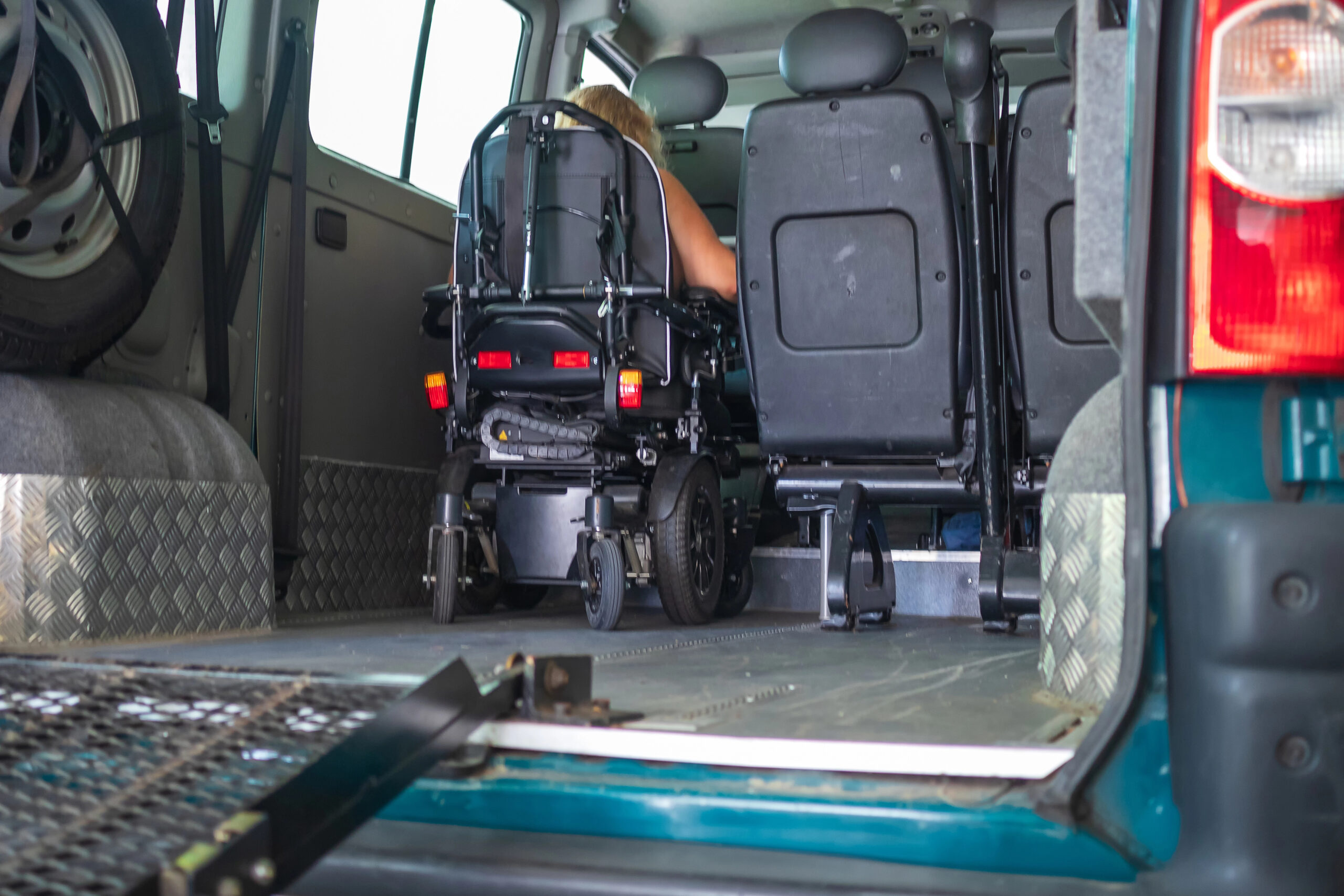
If you park in a long-term or economy lot, airport-operated shuttles must provide ADA-compliant transportation. For example, these shuttles typically include wheelchair lifts or ramps. However, issues with maintenance or operator training can cause delays.
To ensure smooth boarding:
- Inspect before boarding. Check that ramps or lifts function correctly. In addition, it is crucial to know your rights should the airport damage your device. For more information, we go into depth about your rights and what to do when the airport damages your mobility equipment.
- Ask for assistance. Drivers must help you board safely.
- Report violations immediately. Contact airport operations or the ADA coordinator if a shuttle fails to meet compliance.
Mobility-Friendly Airport Accessibility Transit Options
The Travelpayouts Travel Widget helps travelers with mobility issues plan ahead by giving them instant access to flights, hotels, and services that fit their needs without having to navigate multiple websites. For example, It allows travelers to confirm wheelchair-friendly accommodations, accessible routes, and options that minimize long walking distances. Because mobility-impacted travelers rely on accurate, advance planning, having all this information in a single searchable widget reduces stress and eliminates last-minute uncertainty. Ultimately, the Travelpayouts Accessibility Travel Widget gives travelers more control over their airport experience—something mobility-dependent passengers absolutely require.
Hotel Shuttles: Verify ADA Compliance Before You Arrive
Many hotels near airports offer “free shuttle service,” but not all shuttles meet ADA standards. Notably, if the hotel has accessible rooms, its transportation may be managed by a third-party company without proper equipment.
To guarantee accessibility:
- Call before booking. Ask if their shuttle service offers accessible airport transportation with ramps or lifts.
- Request written confirmation. Always get proof that an ADA-compliant vehicle is available.
- Confirm if outsourced. If another company operates the shuttle, verify directly with them.
Documenting everything ensures that if problems arise, you have evidence to hold the provider accountable. Therefore, A few minutes of preparation can prevent hours of frustration at the terminal.
Ride-Share Airport Accessibility: Uber WAV and Lyft Access Mode
Ride-share services like Uber and Lyft have made progress with dedicated programs for accessible airport transportation:
- Uber WAV connects riders with wheelchair-accessible vehicles featuring ramps or lifts for power chairs and scooters.
- Lyft Access Mode offers similar functionality, depending on local availability.
In metropolitan areas, these services typically respond within 15–30 minutes. However, in suburban or rural locations, wait times can stretch considerably longer—or the service may not exist. Before traveling, open the app and check whether WAV or Access Mode appears as an option in your destination city.
If a ride-share platform cannot provide accessible transportation, contact customer service. Meanwhile, both companies maintain accessibility teams that can refer travelers to alternate local providers.
Airport Accesibility ADA Coordinators and On-Demand Help
When all else fails, contact the airport accessibility ADA coordinator directly. Ultimately, every major airport employs a compliance officer or designated representative who can assist travelers facing accessibility problems. As a result, they can connect you with emergency accessible vehicles, authorized vendors, or in some cases, arrange on-airport escorts to get you where you need to go.
To find your airport’s ADA office, check the “Accessibility” or “Passenger Services” section on its official website. For example:
Final Word on Airport Accessibility Backup Plans
Accessible travel depends on foresight. Before your trip, keep two or three alternate phone numbers saved for airport accessible transportation. As a result, that list should include a paratransit provider, one NEMT company, and your destination airport’s ADA office. Planning your options ensures you never get stranded because a “wheelchair-accessible” ride wasn’t actually available.
Non-Emergency Medical Transport (NEMT)
NEMT companies specialize in transporting passengers with mobility limitations. As a result, their vehicles are fully ADA-compliant and driven by trained personnel. While typically used for medical purposes, they also handle airport transfers. These airport accessibility rides cost more than typical shuttles, but they guarantee accessibility and safety.
Airport Disability Assistance Programs
Some airports coordinate directly with mobility-assistance organizations to ensure airport accessibility. For example:
Always contact your airport’s ADA office at least 48 hours before travel to confirm what’s available.
If You’re Denied Accessible Airport Accessible Transportation
Unfortunately, service refusals still happen. Therefore, when airport accessibility issues do arise, take immediate action:
- Collect details. Record the driver’s name, company, license number, and time of the incident.
- Take photos. Document the vehicle and any visible accessibility violations.
- File a local complaint. Report issues to the airport’s ADA compliance office.
- Submit a federal complaint. Use the U.S. Department of Transportation Accessibility Complaint Form to escalate your case.
- Contact your state ADA office. They can pursue enforcement under state-level accessibility laws.
If the incident involves a hotel or ride-share company, file a complaint directly through their customer support system. Request written acknowledgment and keep all correspondence for your records.
Planning Ahead: A Checklist for Airport Accessibility Options
Travelers with disabilities can dramatically improve their experience by planning early. Here’s a quick checklist to stay organized:
- Verify all transportation services in advance. Don’t assume compliance—confirm it.
- Get written verification of accessibility from hotels and shuttle providers.
- Keep backup contacts for paratransit or NEMT services.
- Save the ADA coordinator’s number for your airport.
- Document all communication. Paper trails prevent excuses later.
Proactive travelers avoid stress, missed flights, and unnecessary disputes. Planning ensures your journey starts smoothly.
Getting to the Airport Shouldn’t Be the Hardest Part
Air travel is stressful enough without worrying about accessibility around the airport. In 2025, airport accessibility should be reliable, consistent, and convenient. Unfortunately, many providers still fall short. But by knowing your rights, confirming details ahead of time, and reporting violations, you take control of the process.
Airport Accessibility isn’t about privilege—it’s about equality. Whether you’re rolling onto a shuttle or requesting an Uber WAV, you deserve transportation that works as it should: safely, smoothly, and with dignity.
Affiliate Disclosure:
Some links in this article direct you to third-party travel partners, booking platforms, and service providers. If you purchase a product, book a reservation, or sign up for a service through these outbound links, Airport News Now may earn a commission from the merchant at no additional cost to you. These commissions help support the site’s research, writing, and operations.
Airport News Now maintains full editorial independence. All recommendations are based on real traveler needs, operational airport knowledge, and objective evaluation — never on commission potential. You are under no obligation to use these links, but doing so helps keep the website free and accessible for all readers.
For more information on affiliate partnerships, please review each vendor’s official policies on their respective websites.
As always, Safe Travels from Airport News Now.