A Milestone for Accessibility with ‘Autism Double-Check’ certification at Bradley International Airport
Bradley International Airport (BDL), located in Windsor Locks, Connecticut, my home airport, has reached a significant milestone. BDL is the first airport in the United States to earn the “Autism Double-Check” certification from the International Board of Credentialing and Continuing Education Standards (IBCCES) in 2025. Ultimately, this achievement goes beyond a symbolic gesture. It marks a major step forward in making air travel more accessible and inclusive for everyone.
Airports are often overwhelming environments, filled with bright lights, unpredictable sounds, and bustling crowds. This can easily overstimulate travelers who have autism or sensory sensitivities. BDL’s accomplishment with Autism Double-check demonstrates that compassion and awareness are fully compatible with the demands of efficient airport operations.
April 2025 marks the fourth anniversary of the “Autism Flies” event, a groundbreaking initiative hosted in collaboration with Breeze Airways. Before partnering with Breeze, BDL worked closely with JetBlue to organize the “Wings for Autism” event—an experience that made a lasting impact on families across Connecticut. The Autism Double-check certification continues to show BDL leads the way for Autism-friendly airports.
As a participant attending with my son, I saw firsthand how TSA and airport staff treated him with patience, empathy, and professionalism. Moreover, their calm, supportive approach reflected the same principles behind the Autism Double-Checked certification, which emphasizes awareness and sensitivity toward neurodivergent travelers.
In addition, the kindness of both TSA and BDL teams not only ensured my son’s comfort but also gave me, as a parent, a deep sense of reassurance. Their understanding and attentiveness helped create a peaceful, predictable environment—something that is vital for children with autism who can easily become overwhelmed by sensory overload.
Understanding the “Autism Double-Check” Certification
The “Autism Double-Checked” certification marks a significant step toward inclusivity and support for travelers with autism and other invisible disabilities. This recognition means airport staff at every level—from ticketing and security to gate operations—receive proper training to identify and assist passengers who need extra support. Comprehensive training emphasizes the importance of clear communication, patience, and an acute awareness of the sensory environment within the airport.
Key Features of an “Autism Double-Check” Airport
- Sensory-Awareness and De-Escalation Training: Ticketing agents and TSA officers complete specialized programs designed to help them recognize sensory sensitivities and effectively de-escalate stressful situations.
- Proactive Communication: Staff use clear, concise language and adjust their communication style when needed—slowing down instructions to make sure every traveler understands each step of the process.
- Quiet Zones and Sensory Tools: The airport provides designated quiet areas and sensory tools throughout the terminal, giving travelers a calm space to relax and regulate before boarding their flight.
- Coordinated Assistance: Families have the option to arrange support in advance, allowing for a seamless and less stressful experience from check-in all the way to takeoff.
This certification is not about providing special treatment; rather, it is about ensuring that every traveler receives the dignity and understanding they deserve. By fostering an environment of awareness and compassion, airports with this certification set a new standard for accessibility and inclusion.
Managing Sensory Overload with Noise-Reducing Gear
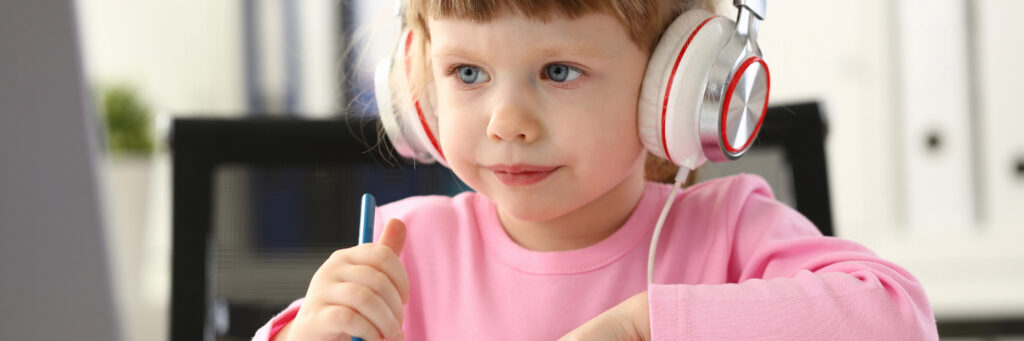
Even at Autism Double-Checked airports, sensory overload remains a challenge because terminals, security checkpoints, and boarding areas generate constant, unavoidable noise. In a related Airport News Now article, we explore noise-reducing gear that helps autistic travelers and those with sensory sensitivities stay regulated while still hearing instructions and announcements. The guide explains how headphones, tactile tools, compression supports, and visual aids work together to create calmer, more predictable movement through security and boarding.
TSA Cares: The Program That Makes It Possible
While Bradley International Airport (BDL) continues to lead the nation in accessibility and inclusion through its Autism Double-Check certification, travelers across the United States can also find valuable support through the TSA Cares Program. This national initiative assists passengers with disabilities, medical conditions, or sensory sensitivities by offering personalized guidance through airport security checkpoints. Furthermore, TSA Cares ensures that trained officers understand each traveler’s unique needs, helping create a calmer, more predictable airport experience from check-in to boarding.
Travelers can contact TSA Cares at least 72 hours before their scheduled flight to arrange for a Passenger Support Specialist. This trained specialist provides step-by-step guidance through the security checkpoint, clearly and calmly explaining each part of the screening process. In addition, they help travelers navigate airport procedures with greater confidence and comfort. This one-on-one assistance significantly reduces stress, confusion, and sensory overwhelm—making air travel more accessible and inclusive for passengers who benefit from extra support, including those with autism and other hidden disabilities.
TSA Cares Contact Information:
Phone: 1-855-787-2227
Email: TSA-ContactCenter@tsa.dhs.gov
Website: TSA Passenger Support
Preparing for Air Travel with an Autistic Companion
Even with outstanding support programs such as TSA Cares, and Autism double-check, careful preparation remains essential for a smooth airport experience—particularly for travelers with autism or other special needs. Since airports are often busy, noisy, and unpredictable environments, maintaining structure and predictability is crucial. By planning ahead and relying on Autism Double-Checked–certified training and other awareness programs, travelers and families can minimize anxiety, reduce sensory stress, and create a calmer, more positive journey from check-in to boarding. If your loved one is prone to seizures, as some special needs children are, in this article from Airport News Now, we take a deeper dive into how to handle a seizure emergency at the airport.
1. Create a Step-by-Step Visual Schedule
Establishing predictability can greatly influence the travel experience. Before heading to the airport, create a visual guide or social story that clearly outlines each stage of the process. Include steps such as arriving at the airport, checking in with the airline, going through security, waiting at the gate, and boarding the aircraft. Practicing this process at home or using visual cards helps reduce unexpected surprises and anxiety. For many travelers, including children, having this type of structured preview can make a significant difference.
2. Bring Noise-Canceling Headphones or Ear Defenders
Noise-canceling headphones are an invaluable tool for those sensitive to sound. They help reduce stress from loudspeaker announcements and the general noise of busy airport terminals. Affordable alternatives, like ear defenders, can be just as effective for children and teens who need extra support in noisy environments.
3. Provide a Personalized Medical ID Bracelet
For travelers who are nonverbal or may be prone to wandering, wearing a custom medical ID bracelet is absolutely essential. The bracelet should include emergency contact information, medical details, and any special care instructions to ensure a fast response in case of separation. In airports that follow Autism Double-Checked standards, trained staff are more likely to recognize and respond appropriately to these identifiers—helping safeguard your loved one while providing peace of mind to caregivers throughout the entire journey.
4. Pack a Sensory-Friendly “Fidget Pack”
Preparing a small kit with fidget toys, sensory rings, or textured items can make a big difference during travel. These tools provide positive sensory input that helps travelers stay grounded in busy environments. They also offer a simple, effective way to maintain calmness and focus during stressful airport moments.. Simple tools like these can turn moments of overstimulation into opportunities for self-regulation.
5. Rehearse with a Practice Run
Events, such as BDL’s annual Autism Flies event, helps families become more comfortable with the airport environment. These events walk participants through the same steps they would take on a real trip, from check-in to security screening. They’re an excellent way to build confidence and reduce anxiety before taking an actual flight.
These events allow travelers to go through the full process—from check-in to boarding—in a calm, supportive environment. Best of all, they can do it without the stress or commitment of an actual flight. If your local airport does not offer a similar event, consider visiting the terminal for brief sessions to build familiarity. Even small exposures to the airport environment can help reduce anxiety for future trips.
Autism double-check Communicates Needs Proactively
Open and clear communication plays a vital role in ensuring a smooth travel experience. To begin with, it’s important to communicate your needs well in advance so that proper support can be arranged throughout your journey. When booking your flight, notify the airline of any specific requirements or accommodations you or your loved one may need.
Furthermore, reach out to TSA Cares or the accessibility desk at your departure airport before your travel day. Many Autism Double-Checked–certified airports and airlines now have dedicated accessibility coordinators who understand the unique needs of neurodivergent travelers. By speaking with them early, you can explain any special accommodations required for a calm, predictable travel experience. Ultimately, this proactive communication ensures that trained airport staff are prepared to provide the right assistance the moment you arrive.
Upon arrival at the airport, take the initiative to speak directly with TSA agents before the security screening process begins. By sharing clear and proactive information about your situation, you set the tone for a smoother experience. Airport staff will know what to expect and how best to assist you. This simple step ensures that everyone is prepared to respond appropriately to your needs. This approach fosters mutual understanding and helps create a supportive environment for travelers who require additional assistance.
Navigating Security with Confidence through an airport certified with “Autism Double-check”
Security screening often ranks as the most stressful part of air travel, especially for travelers with sensory sensitivities or neurodivergent needs who may find the environment overwhelming. Recognizing this, the TSA and Autism Double-Check airports have implemented measures to create a more supportive and less intimidating screening experience.
At participating airports, travelers can request private screenings conducted in quieter areas. This option is especially helpful for individuals who may find the busy, noisy environment of standard checkpoints overwhelming. Officers are trained to use simplified communication and offer step-by-step guidance throughout the process, ensuring travelers clearly understand each part of the screening.
Families and support groups also receive accommodations, ensuring that everyone can stay together during screening. As a result, this approach reduces anxiety and offers reassurance to both travelers and their companions. Moreover, TSA provides alternative screening procedures for individuals with medical or sensory devices, thereby minimizing discomfort and uncertainty throughout the process.
Collectively, these accommodations help make the security process less overwhelming and more predictable, fostering a sense of confidence for neurodivergent travelers and those who require additional support.
Final Thoughts: Compassion Is the Ultimate Boarding Pass
TSA Cares and the Autism Double-Checked program highlight that true accessibility in air travel is built on empathy, not just written policy. Although traveling with autism or sensory sensitivities requires careful preparation, it also depends on the compassion, understanding, and proactive support of airport staff and security personnel.
For families, caregivers, and solo travelers, the essentials for a successful journey are thoughtful planning and open communication. Moreover, the availability of programs like TSA Cares and BDL’s autism initiatives proves that inclusive travel is no longer just an aspiration—it’s a reality already taking shape today.
As Always, Safe Travels from Airport News Now!
— Bill
Secondary Sources
- TSA Cares – Passenger Support
- Bradley International Airport – Autism Double-Checked Announcement
- IBCCES – Autism Double-Checked Program
- Autism Double-Checked – Official Site