A calm, informed response during a seizure at the airport can make all the difference when a seizure strikes mid-air or in the middle of a terminal. Knowing what to do—and what not to do—can prevent injury, reduce panic, and even save a life.
Recognizing a Seizure at the Airport
The most common type of seizure is known as a generalized tonic-clonic seizure (previously referred to as a grand mal seizure). When this type of seizure occurs, the person typically loses consciousness, may fall to the ground, and their body will experience full-body convulsions. These seizures generally last only one to two minutes. During this time, it is crucial to focus on maintaining the individual’s safety and preventing injury until professional help arrives.
- Gently ease the person onto their side. This position helps keep the airway clear and allows any fluids to drain safely from the mouth.
- Place something soft, such as a folded jacket or bag, under the person’s head to protect them from injury during convulsions.
- Do not attempt to restrain the person’s movements. Trying to hold them down can cause harm both to the individual and to yourself.
- Never put anything in the person’s mouth. There is no risk of them swallowing their tongue, and forcing objects between their teeth can break teeth or obstruct their airway.
After the seizure has ended, the person will likely enter what is called the postictal phase. During this period, they may feel confused, fatigued, or groggy. It is important to remain calm, speak in a gentle manner, and allow them space to recover as they gradually regain awareness.
Responding to a Seizure at the Airport
Airports are equipped to manage medical emergencies, including seizures. Most facilities maintain specialized emergency response teams trained to handle seizures and other urgent health situations. Seizures are certainly frightening to see. If you are prone to seizures, or traveling with a companion who is, the Sunflower Lanyard should be considered since seizures are largely a hidden disability.
Immediate Actions to Take When Responding to a Seizure at the Airport
- Alert Airport Staff or Police: If you witness someone having a seizure, immediately notify airport staff or police. They will contact the airport’s on-site medical team or call 911 to ensure prompt medical attention.
- Clear the Surrounding Area: Move bystanders away to provide the person experiencing the seizure with enough space and privacy. This helps prevent further injury and allows responders to work efficiently.
- Time the Seizure: Monitor the duration of the seizure. If it continues for longer than five minutes, it is classified as a medical emergency called status epilepticus, which requires urgent intervention.
- Emergency Medication: Administer emergency medication, such as Midazolam, only if it has been prescribed for the individual and after waiting a few minutes to see if the person recovers naturally.
After Initial Response
At major international airports, paramedics are typically on standby and can respond quickly to emergencies. Remain with the individual until medical professionals arrive and provide any relevant details, such as known medical conditions, current medications, or the length of the seizure episode.
Responding to a Seizure During Flight
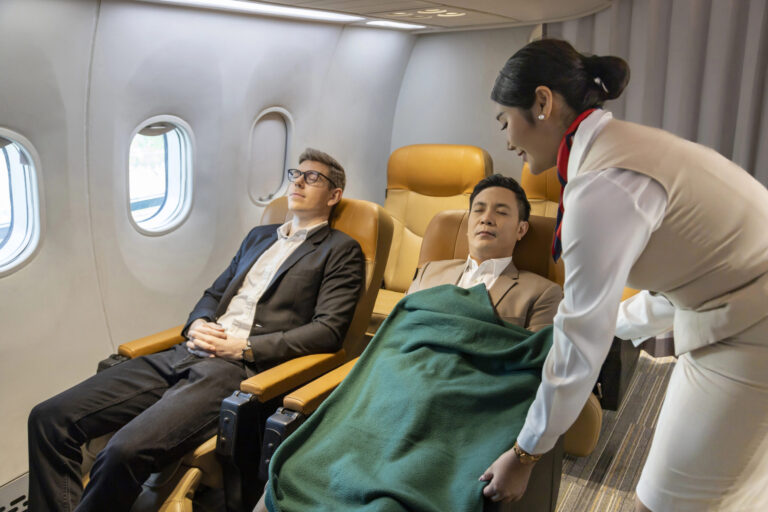
A seizure at the airport is much different than a seizure on a plane. Therefore, if a seizure occurs while on a plane, it is important to act quickly and follow established procedures. Flight attendants are trained in first aid, including the management of seizures, and will immediately call for any medical professionals who may be onboard. You should only help if you are able to do so safely or if the flight crew requests your help.
Immediate Steps to Take
- Notify the flight attendants right away. They will take charge of the situation, move passengers from the immediate area, clear space around the individual, and communicate with the cockpit crew as necessary.
- Do not attempt to restrain the person experiencing the seizure. It is essential to allow the episode to run its course and avoid causing harm.
- Check for any medical identification, such as a bracelet or necklace. This information can help inform the flight crew and any responders about the traveler’s medical condition.
After the Seizure
- Once the seizure has ended, help position the person comfortably. Ensure their airway is clear and monitor their breathing closely as they recover.
If the Seizure Is Prolonged or Severe
If the seizure continues for an extended period or shows signs of becoming a seizure emergency, the pilot may choose to divert the plane to the nearest airport for immediate medical assistance. However, most seizures are brief and can be managed safely onboard without requiring an unscheduled landing.
Seizure at the Airport – Planning Ahead for Travelers with Seizure Disorders
Preparation is essential when traveling with someone who has epilepsy or a seizure disorder. Taking steps before your journey can help ensure a safer and more comfortable experience for everyone involved.
Informing Security Personnel
Before you begin the airport screening process, inform TSA officers about the traveler’s medical condition and any medications they may be carrying. This helps ensure that both the individual and their medications are handled appropriately during security checks.
Carrying Medical Documentation
Always carry proper medical documentation for any prescription medications, including emergency treatments. Having documentation readily available can prevent delays and confusion, especially if questions arise about the medications during security screening or boarding.
Notifying Airline Staff
Notify the gate agent and flight crew prior to boarding that your companion has a seizure disorder. Providing this information before takeoff allows the flight crew to be prepared and respond more effectively in case of an emergency during the flight.
Importance of Communication
A brief conversation with the flight crew before departure can significantly improve response time if an emergency seizure occurs. Open communication ensures that everyone is aware of the situation and ready to assist if needed.
Seizure at the Airport – Legal Protections Under the Air Carrier Access Act (ACAA)
The Air Carrier Access Act (ACAA) provides important legal protections for travelers with epilepsy, ensuring they are not subjected to discrimination based on their disability during air travel. Under this federal law, airlines are required to make reasonable accommodations to meet the needs of passengers with seizure disorders.
Reasonable Accommodations
Airlines must allow passengers with epilepsy to bring necessary medical devices or emergency medications onboard without unnecessary barriers. In addition, they should make seating arrangements that reduce risk and make it easier for flight crew or companions to assist in the event of a seizure.
Disability-Awareness Training for Staff
To further support travelers with epilepsy, the ACAA mandates that airline staff receive training in disability awareness. This training equips personnel to recognize and appropriately respond to medical events such as seizures, ensuring a safer and more inclusive travel experience for all passengers.
Aftercare and Recovery when a Seizure at the Airport Occurs
Following a seizure, it is common for recovery to take anywhere from several minutes to a few hours. This period, known as the postictal phase, is a critical time to provide appropriate support and ensure safety.
Providing Support During the Postictal Phase
- Move to a Quiet Area: Assist the individual by relocating them to a calm and private space, which can aid in their comfort and help minimize stimulation as they regain full awareness.
- Offer Water with Caution: Only provide water once the person is fully awake, alert, and able to swallow safely. This precaution helps prevent choking or aspiration.
- Monitor for Additional Seizures: Continue to observe the individual for any signs that another seizure may occur during recovery.
When to Seek Medical Help for a seizure at the airport
Immediate medical attention is necessary if the person remains unresponsive, has difficulty breathing, or experiences multiple seizures in a row.
Personal Reflection
In December, my son began experiencing seizures, significantly altering our daily routine. Previously, weekend swimming sessions were a regular activity he greatly enjoyed, but these have been suspended as we focus on stabilizing his condition. Although there was an expectation that seizure risk would diminish with age, his diagnosis of autism with features consistent with Heller’s Syndrome—a rare disorder where seizures are prevalent—has presented ongoing challenges. Navigating this situation as a parent remains complex due to its unpredictable nature.
This website, Airport News Now, was developed in response to these experiences. Recognizing the uncertainties inherent in both health and travel, my goal was to create a reliable platform dedicated to supporting others in preparation, response, and protection during critical moments.
Secondary Sources
- Epilepsy Foundation – First Aid for Seizures
- TSA Cares Passenger Support Program
- Air Carrier Access Act – U.S. DOT