When traveling, understanding The 3-1-1 Rule is essential. Especially when what you can (legally) carry on and your medication needs don’t fit in a plastic bag.
Understanding the TSA 3-1-1 Rule
The Transportation Security Administration (TSA) 3-1-1 rule establishes clear limits for bringing liquids, gels, and aerosols in your carry-on luggage. This rule is designed to enhance security while still allowing travelers to pack essential items for their journey. It applies to common products such as shampoo, toothpaste, lotions, and even beverages.
Under the 3-1-1 rule, each container of liquid, gel, or aerosol must not exceed 3.4 ounces (100 milliliters). All such containers must fit into a single, quart-sized clear plastic bag. Each passenger is permitted only one of these bags. The name “3-1-1” comes from these requirements: 3.4 ounces per container, 1 quart-sized bag, and 1 bag allowed per traveler.
However, exceptions are made for prescription medications and medically necessary liquids and gels. The standard 3-1-1 limitations do not always apply in these cases, which can lead to confusion among travelers. Understanding these exceptions is important for anyone who needs to travel with essential medical supplies.
Exceptions to the 3-1-1 Rule for Medical Needs
For travelers carrying prescription medications, the standard TSA 3-1-1 rule is relaxed. The usual restrictions on liquids and gels—limiting containers to 3.4 ounces and requiring all items to fit in a quart-sized bag—do not apply in the same way to medically necessary items. Passengers are allowed to bring larger quantities of medical liquids and gels in their carry-on luggage. They must show a legitimate medical need for those items.
Discreetly Informing TSA of Your Medical Condition
If you have a medical condition that may affect your screening, you can use the TSA Disability Notification Card.. This card allows you to inform security officers about your condition in a discreet manner. Simply print the card, indicate your specific medical need, and present it to the TSA officer at the security checkpoint. This helps ensure that your situation is understood and can facilitate a smoother and faster screening process.
Further Guidance on Medical Liquids and the 3-1-1 rule
For more detailed information about how the 3-1-1 rule applies to prescription medications and medically necessary liquids, refer to the TSA’s official medical guidance.
Relaxing the 3-1-1 Rule when Packing Medical Liquids for Airport Security
Although the TSA relaxes the 3-1-1 rule for travelers with medical needs, it is important to follow a few essential steps. These steps ensure your screening experience is efficient and free from unnecessary complications.
Declare Medical Items at Screening
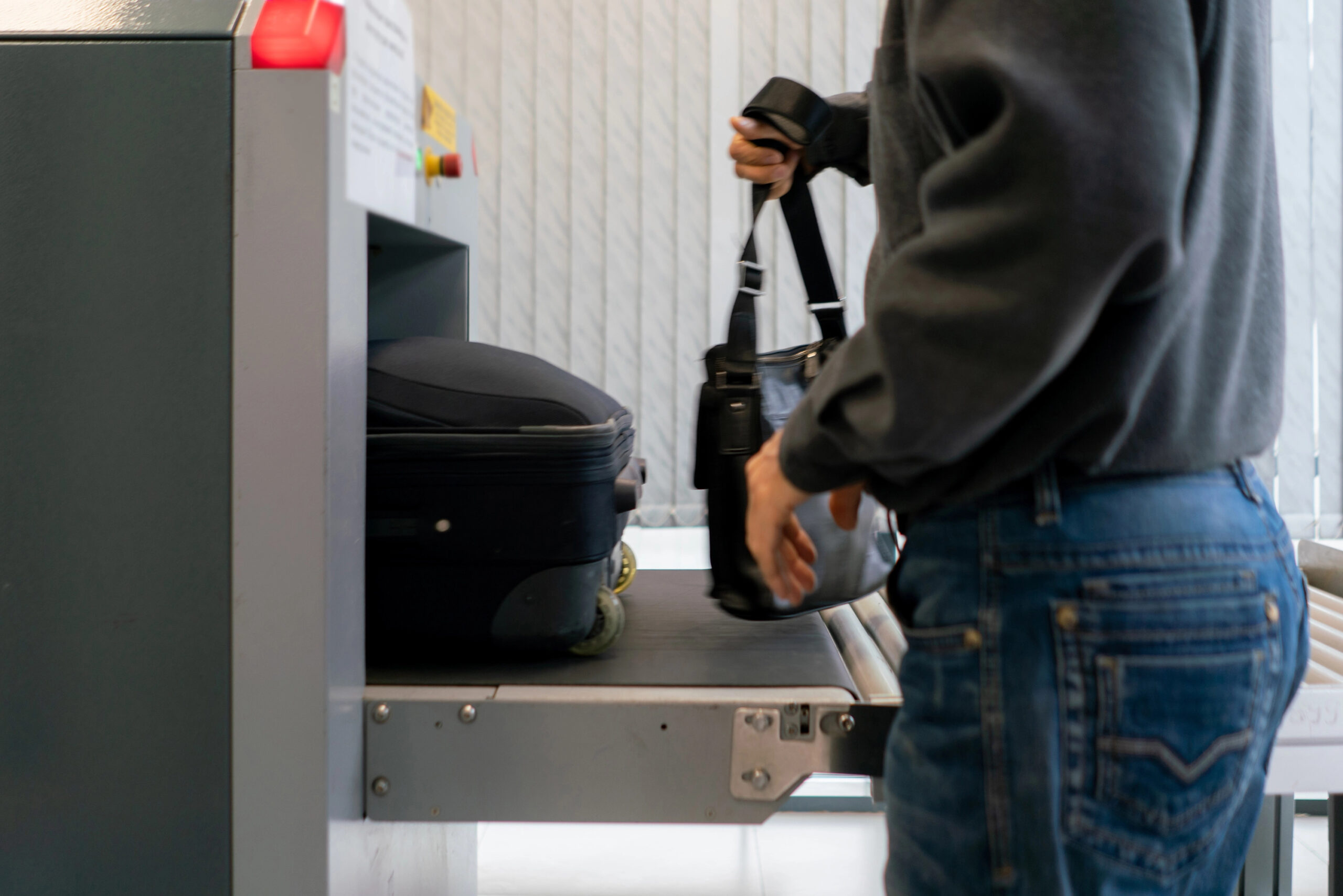
Before your bag goes through security screening, inform the TSA officers that you are carrying medically necessary liquids or medications. Declaring these items in advance helps the officers handle your supplies appropriately and can prevent misunderstandings during the process.
Separate Medications from Other Items
When packing, remove your medications from your carry-on and keep them separate from your quart-sized toiletries bag. This clear separation distinguishes your medical supplies from typical personal care products and streamlines inspection.
Keep Medications Labeled and Visible
While labeling your medications is not required, retaining the original pharmacy label or packaging can avoid confusion. Use clear pouches or containers so that all items are easily visible and accessible to security personnel.
Avoid Mixing Medications with Toiletries
Do not place your medication containers in the same bag as your personal toiletries. Keeping them apart prevents confusion and delays during the security screening process.
Why Carry-On Organization Matters When Traveling with Medications
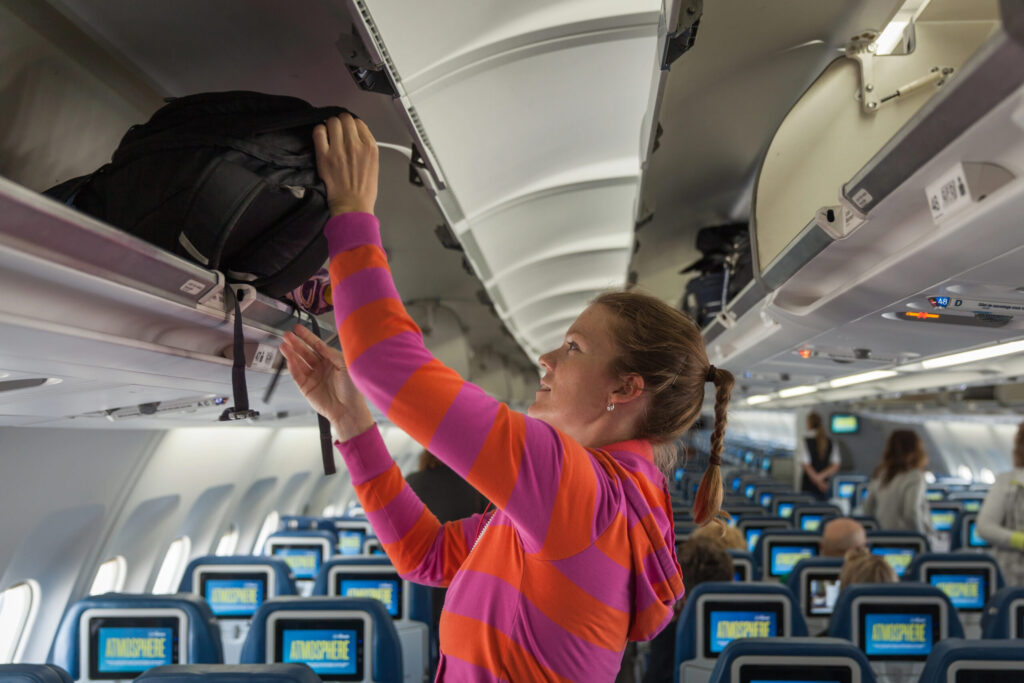
For travelers managing medications beyond the 3-1-1 rule, how those items are stored inside a carry-on matters just as much as what is allowed through security. In this Article from Airport News Now, we discuss how Carry-on Luggage with a Front Pocket improves screening efficiency by keeping medications accessible, separated, and protected during TSA inspection and boarding. By combining proper declaration with organized storage, travelers can reduce delays, avoid unnecessary handling, and move through the checkpoint with greater confidence.
Doctor’s Notes and Prescriptions
TSA does not require travelers to present a doctor’s note for medical liquids or medications. However, it can be helpful to carry a copy of your prescription or a brief letter from your physician. This is especially true if you are traveling with injectable medications or quantities larger than typical personal use. If you are traveling internationally, it is important to keep this documentation with you to comply with regulations at foreign airports.
The 3-1-1 Rule – Ice Packs, Gel Packs, and Temperature Control
Travelers who need to keep medications cold are permitted to bring ice packs, gel packs, and frozen items through security checkpoints. These items are considered medically necessary, and they are allowed even if partially melted at the time of screening. Standard liquid restrictions do not apply to these temperature control items. Importantly, declare them to TSA officers during screening to ensure a smooth process.
Travel Assistance for Individuals with Disabilities or Sensory Sensitivities
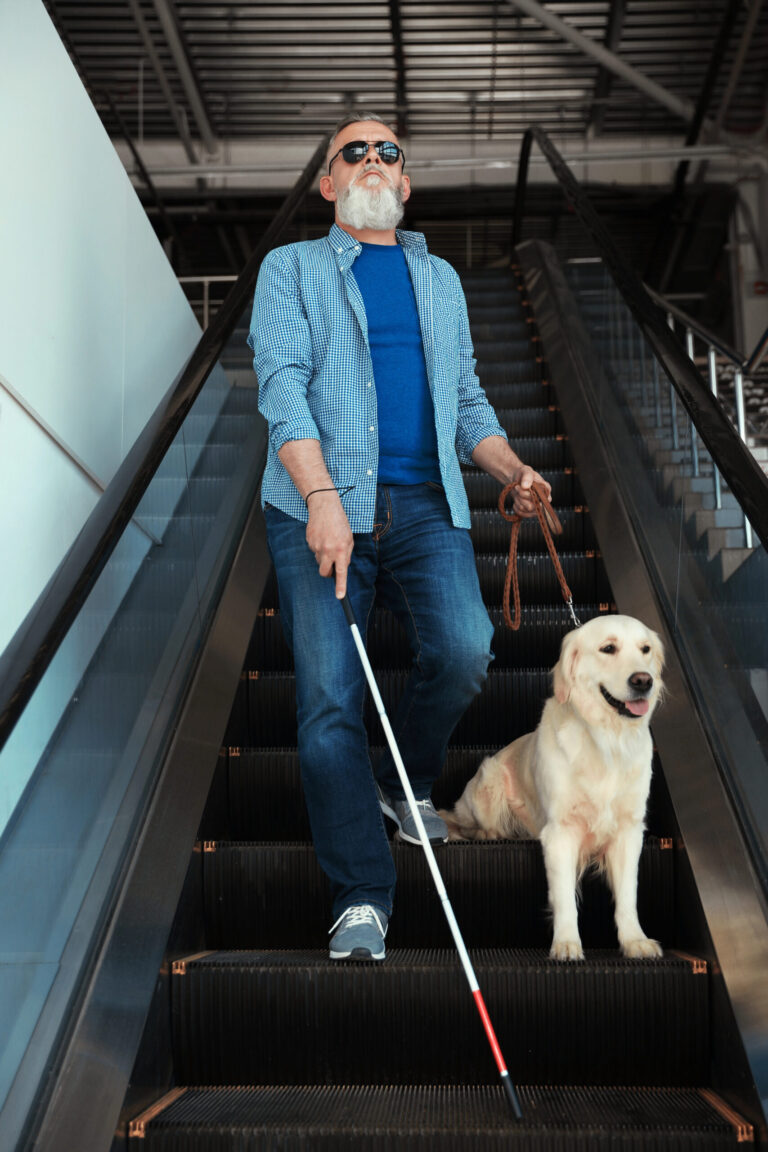
For travelers with autism, sensory sensitivities, or disabilities that may make TSA screening stressful, support is available through TSA Cares. By contacting the TSA Cares hotline at 1-855-787-2227, you can connect with specialists. They will help coordinate personalized assistance at the security checkpoint. It is recommended to call TSA Cares at least 72 hours before your scheduled travel to arrange the necessary support.
Tips for Smooth Screening
To help ensure a smooth and hassle-free security screening experience when traveling with medications, consider the following best practices:
- Keep medications in their original labeled packaging when possible.
- Retaining the original packaging or pharmacy labels makes it easier for security personnel to identify your medications. This reduces the risk of confusion during inspection.
- Store medications in clear, separate containers from your 3-1-1 items.
- Use transparent containers or pouches to keep medications visible and distinct from other liquids or toiletries. This separation helps streamline the screening process and avoids mix-ups with non-medical items.
- Inform TSA officers before your items go through the X-ray.
- Proactively notify security officers about your medications and any related medical supplies before screening begins. This transparency facilitates cooperation and expedites the process.
- Be polite but assertive if an officer is unfamiliar with the policy — ask for a supervisor if necessary.
- If you encounter a TSA officer who appears unaware of the procedures for screening medications, remain calm and courteous. Requesting a supervisor can help resolve any misunderstandings quickly.
- Carry a small travel pill organizer to streamline access to daily meds.
- Using a compact pill organizer can help you access your daily medications easily during your trip. It keeps everything organized and minimizes delays at security checkpoints.
By staying organized, calm, and proactive throughout the screening process, you can significantly reduce the risk of delays. This ensures your travel experience remains as smooth as possible.
Traveling with Inhalers, EpiPens, and Injectable Medications
When packing for your trip, you are allowed to bring essential medical devices and supplies, such as inhalers, EpiPens, glucose meters, syringes, insulin, and ice packs, in your carry-on luggage. You do not need to obtain special permission to carry these items with you onboard. If you happen to be traveling with sharps, syringes, and so on, we take a deeper dive into traveling with syringes, to provide you with TSA guidelines and screening measures.
At the security checkpoint, declare your medical devices and supplies to TSA officers. Keep them easily accessible for inspection. TSA agents are trained to recognize medical devices. When properly declared, they should not confiscate these items.
For further confirmation on which medical items are allowed, you can consult the TSA “What Can I Bring?” tool. It provides a comprehensive list of approved medical items for air travel.
Final Thoughts on the 3-1-1 rule
When preparing to travel with medications, it is important to remember that the TSA 3-1-1 rule does not apply to prescription liquids, gels, or injectables. Instead of following the standard limits, focus on being prepared to ensure a smooth travel experience.
The most effective strategy begins with organizing your medications before you arrive at the airport. Separate your medications from other items in your carry-on, and use clear, easily accessible pouches. Whenever possible, keep medications in their original packaging to avoid confusion during screening.
Label all your medications clearly to help TSA officers quickly identify them. Before your trip, consider documenting your prescriptions or carrying supporting documents for added peace of mind. At the security checkpoint, declare all medications to TSA officers so they can process your items without unnecessary delays.
If you need additional assistance or wish to alert security in advance, notify TSA Cares about your travel plans. This proactive approach can transform the screening process from a potentially stressful situation into a seamless and efficient experience.
As Always, Safe and Healthy Travels from Airport News Now!
— Bill
Helpful TSA Resources for Travelers
TSA – Passenger Support (TSA Cares)
TSA Cares is a dedicated passenger support program offered by the Transportation Security Administration. Travelers who need assistance or have specific needs related to medical devices or medications can contact TSA Cares in advance of their flight. This service enables travelers to notify security about their situation. It helps to ensure a smoother and more accommodating screening experience.
The TSA “What Can I Bring?” tool is a comprehensive online resource. It provides detailed information about which medical items are permitted during air travel. This tool is especially useful for travelers carrying inhalers, EpiPens, injectable medications, and other essential medical supplies. By consulting this guide, travelers can confirm which items are allowed and prepare accordingly for security screening.