A Practical Guide for Navigating Airport Pet Relief Areas
Why Pet Relief Areas Matter
Never assume you can simply take your dog outside for a bathroom break between flights. Most airports don’t allow easy re-entry once you’ve cleared TSA, and stepping outside could mean another full security screening and a missed flight.
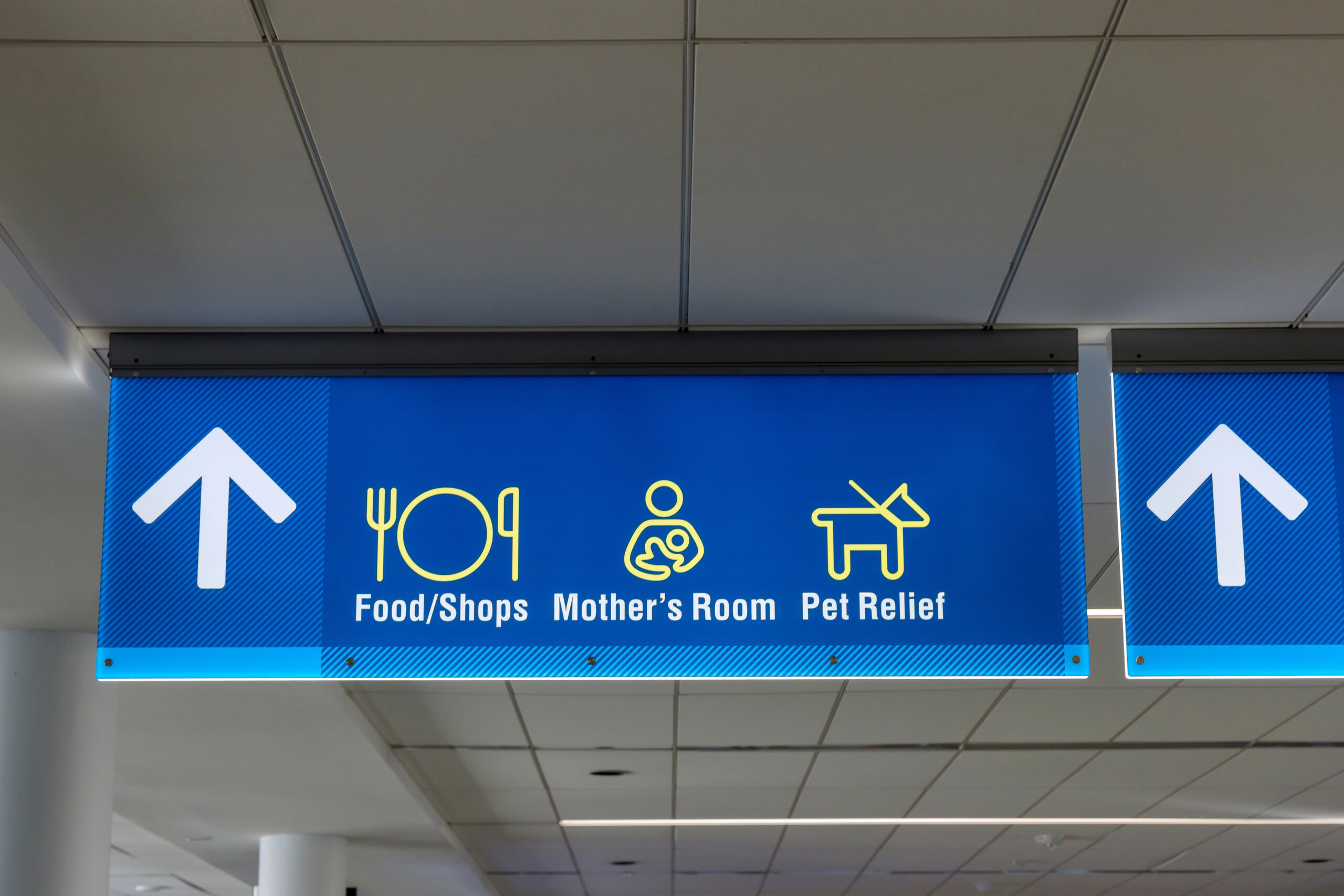
You also shouldn’t arrive too early expecting a convenient area to exist—some airports still have limited options, poorly marked signage, or vague directions. Planning ahead prevents your dog from unnecessary discomfort in what is already a stressful travel environment.
The Evolution of Airport Pet Relief Areas
In 2016, the U.S. Department of Transportation required large airports (those serving more than 10,000 passengers annually) to install post-security pet relief areas to accommodate travelers with service animals and pets.
Today, nearly all major airports feature at least one indoor relief area, but their quality, cleanliness, and accessibility vary widely. Some are small utility rooms with turf and drains, while others look more like mini dog parks, complete with fire hydrants and self-cleaning systems.
Smaller regional airports aren’t always required to comply, so travelers connecting through them should plan alternate solutions.
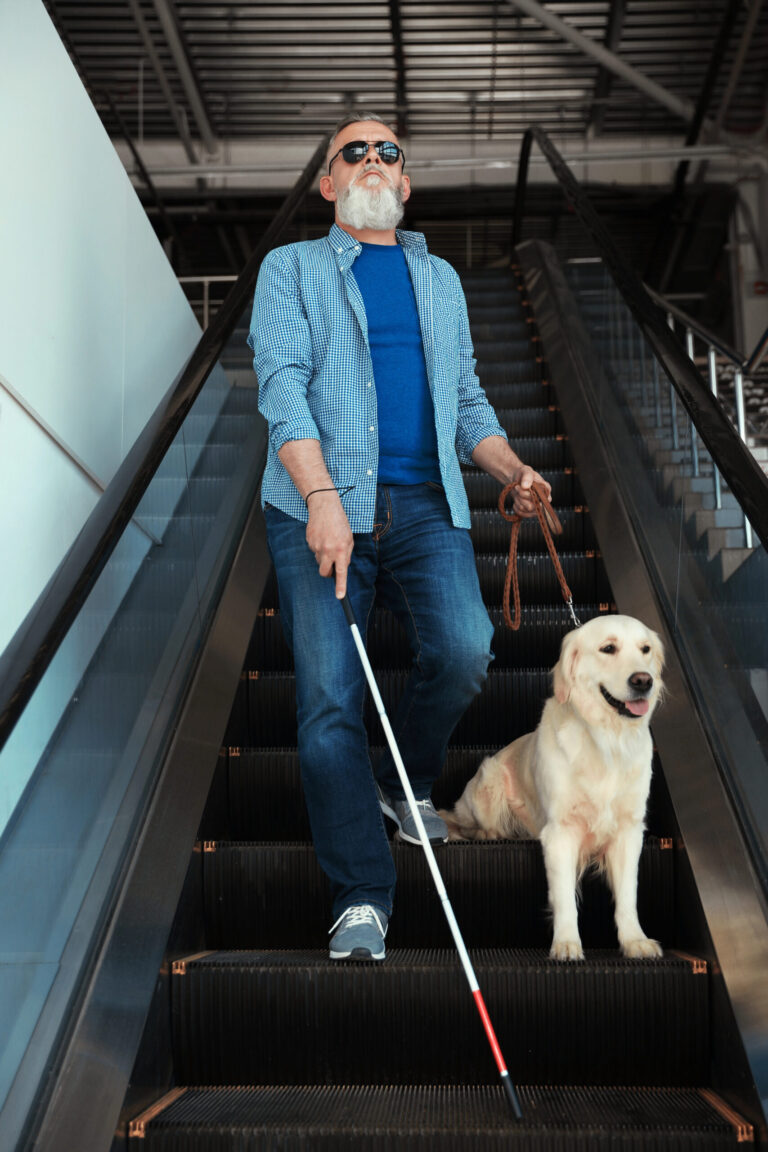
Traveling with a Guide Dog?
In addition to pet relief areas, please be sure to read the Airport News Now Article on Traveling with a Seizure Alert dog where we go into detail about the screening process when traveling with a guide dog.
What Pet Relief Areas Typically Include
A standard airport pet relief station usually consists of:
- Artificial grass or turf flooring
- A built-in drainage or flushing system
- Waste bags and trash receptacles
- Occasionally, a sink or water refill station
These spaces offer a controlled, sanitary environment for pets to relieve themselves without leaving the secure area. However, the design depends on the airport’s available space and funding—some are spacious and well-ventilated, while others feel more like a converted janitor’s closet.
Finding Pet Relief Areas Before You Fly
Always check each airport on your route—departure, layover, and arrival. Don’t assume that because your home airport has a nice relief area, the connecting one will too.
- Visit the airport’s official website and look under “Amenities,” “Accessibility,” or “Pet Services.”
- Call the airport information desk if online details are vague.
- Download the airport’s mobile app—many now feature interactive maps that pinpoint pet relief areas near gates, restaurants, and restrooms.
This step can save you critical minutes between flights and help you avoid running across terminals with a desperate dog in tow.
Using Pet Relief Areas: What You Should Expect
Always keep your pet leashed and under control. Some travelers make the mistake of treating these areas like dog parks, letting their pets roam or socialize freely. That can be dangerous in a busy airport where not all animals are friendly.
As with any park, clean up after your pet thoroughly. The responsibility of picking up waste falls squarely on you. If your pet struggles under stress or refuses to go on artificial turf, allow extra time. Rushing the process often leads to accidents later onboard the aircraft.
Tips for Smooth Transitions Through Airport Pet Relief Areas
- Time your visits carefully. Right after TSA and about 30 minutes before boarding are ideal times. Don’t wait until the last minute.
- Bring your own supplies. Pack extra waste bags, wipes, and a travel-sized disinfectant spray.
- Keep calm. Pets sense stress—stay patient, even if other travelers are rushing you.
- Have a portable cleaning kit ready. Shit happens, literally and figuratively, so be prepared.
Plan Ahead for a Happier Pet and a Smoother Trip
Airport pet relief areas have come a long way, but they’re still far from perfect. For international destinations, check the airport’s website before you fly to see where the closest relief area is—not just at the gate, but also near baggage claim for when you land.
Whether your flight with Fido ends up being rewarding or crappy depends on how well you prepare. Plan for both the big things—vaccinations, identification, travel paperwork—and the small things, like knowing exactly where your dog can take a bathroom break.
Secondary Sources
- U.S. Department of Transportation – Service Animal & Pet Relief Requirements
- TSA – Traveling with Pets
- Airports Council International – Accessibility & Animal Relief Areas